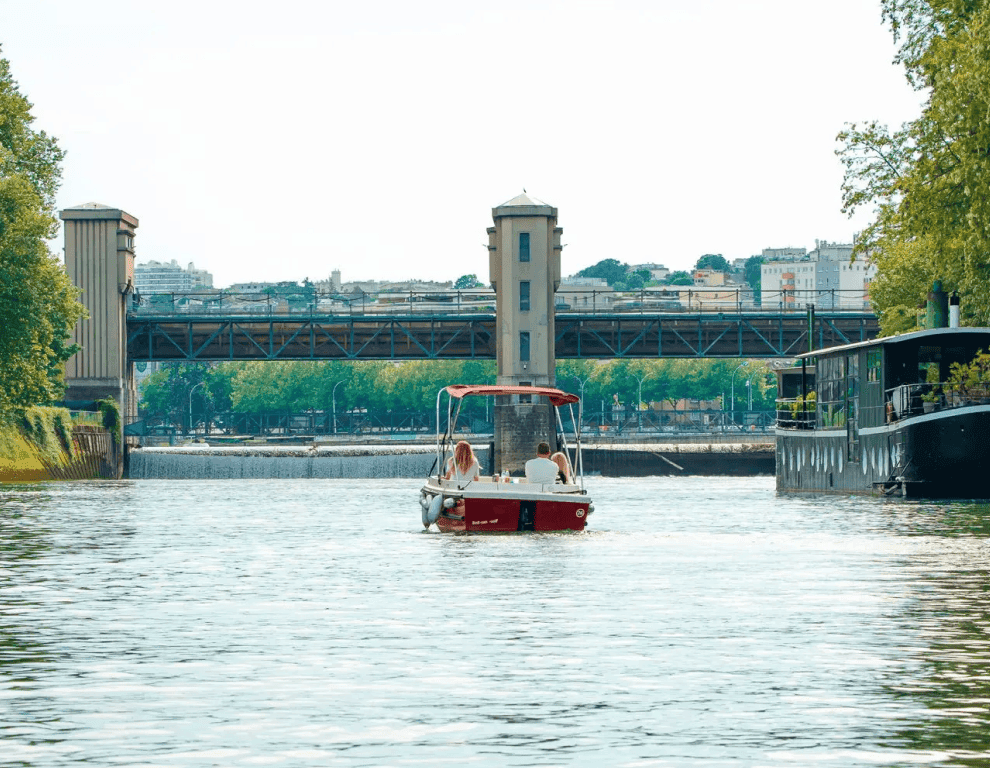




How to Organize a Successful Corporate Seminar
In this article, you will discover:
- How to Define Measurable Objectives Aligned with Your CSR Values
- The key steps to plan the budget, theme, and timing
- The criteria for a sustainable, accessible, and low-carbon venue
- How to Build a Stimulating and Responsible Program
- The levers to reduce carbon footprint and measure impact
Why the seminar remains a pivotal moment
Organizing a successful corporate seminar begins with a simple question: why do it and what can be done to succeed? Without a clear direction, everything becomes diluted into disconnected activities. With a clear objective, every decision gains coherence. This is the foundation of any truly beneficial custom corporate seminar for employees.
As CSR becomes a significant marker of corporate culture, organizing a seminar also serves to embody these commitments. Bringing teams together around shared values strengthens the sense of belonging well beyond the day itself.
Not all seminars are alike. A management committee meeting, a strategic study day, or a general gathering each address distinct needs. Understanding what type of seminar to organize then guides the choice of venue, activities, and agenda. The format must serve the purpose, never the other way around, and it is this alignment that makes each event relevant.
This diversity of formats is an opportunity: it allows for the creation of a seminar that is truly tailored to your culture. An event can just as easily focus on strategic reflection, the celebration of a success, or the launch of a new dynamic. The key is to establish this framework from the outset, as it will then guide each of your organizational decisions.

Corporate Seminar with Colleagues
Defining the objectives and stakes of the seminar
Before booking anything, it is essential to clarify the intention. The goals of the seminar are not to be guessed; they must be articulated and shared. This initial framing work transforms the desire to organize a seminar into a structured project and gives meaning to each step.
How to Set Measurable and Suitable Goals?
A vague objective cannot be managed. Instead of aiming vaguely for cohesion, formulate concrete targets: align teams on the roadmap, generate three ideas for improvement. Tailored to the reality of your organization, these objectives ensure a relevant seminar and verifiable outcomes.
The type of objective set also determines the format chosen. A seminar aimed at bonding a new team does not resemble one that prepares for an internal organizational change. Taking the time to prioritize your goals, in consultation with the managers, prevents the desire to tackle everything in a single day and gives each participant a clear reason to be present.
Strengthening Motivation Around CSR Values
By placing environmental commitments at the heart of the experience, you unite employees around a project that transcends them. A cohesive team-building activity for your teams, centered around a concrete cause such as an eco-responsible challenge, sustains motivation long after returning to the office.
This motivation cannot be decreed; it must be nurtured. Involving employees in the selection of activities, valuing their ideas, and celebrating collective successes creates a new dynamic. A seminar can thus become the starting point for a lasting momentum, provided that everyone feels heard and engaged in a shared endeavor.
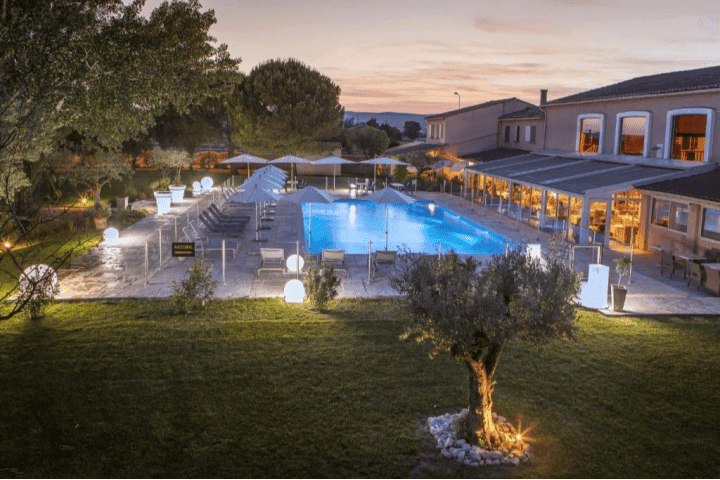
Le Domaine Des Oliviers, Residential Seminar
Effectively Planning Preparation
Success is largely determined in advance. Rigorous planning avoids last-minute compromises and allows for securing the best service providers. Anticipating also gives you the freedom to make the right choices and to excel without sacrificing quality.
What responsible budget to plan and how to assess needs?
The budget covers the venue, catering, group accommodation, transportation, entertainment, and a contingency margin. A responsible budget prioritizes areas with a significant human impact, such as a custom event caterer focusing on short supply chains. Early identification of the number of participants allows for directing funds where they truly create value.
Evaluating needs in advance also requires distinguishing the essential from the superfluous. This involves engaging in discussions with the relevant teams to identify actual expectations rather than assumed ones. A well-structured budget allows for unforeseen circumstances without becoming scattered, and reflects the priorities you wish to set for your seminar.
What theme and what period to choose?
A unifying theme guides the proposed activities and the tone of the event. Rooted in an environmental approach, it naturally extends your values. When it comes to scheduling, avoid peak activity periods and holidays, book early, and check the availability of key participants to maximize attendance.
The chosen period also influences the experience. A seminar in spring or early autumn benefits from mild weather and facilitates outdoor activities. Conversely, a poorly timed date can hinder participation. This step of scheduling the calendar deserves as much attention as the choice of the theme itself.
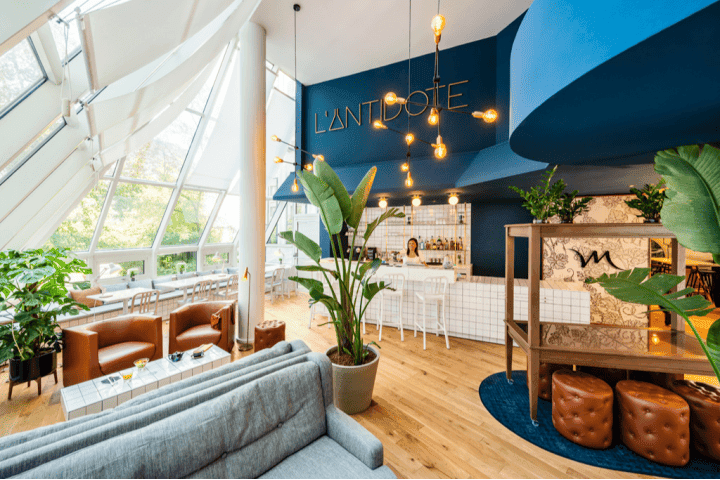
Mercure Paris Montparnasse Pasteur for a Corporate Seminar
Selecting a sustainable and accessible venue
The chosen venue sets the tone and embodies, or betrays, your commitments. A well-selected site combines inspiration, functionality, and a minimal footprint. This is often what teams remember first.
What criteria define an innovative and low-carbon site?
A responsible venue is characterized by concrete elements: environmental certifications, energy management, and local sourcing. Flexible spaces and low-energy equipment enhance both the experience and the consistency of your approach, whether you are organizing in Paris, Lyon, or the countryside.
Beyond technical criteria, the character of the venue matters. A unique setting, whether it be a green estate, a repurposed industrial site, or a space focused on innovation, leaves a lasting impression and stimulates creativity. This added soul transforms a simple meeting place into a memorable backdrop that enhances the narrative of your event.
Promoting Sustainable Mobility for Access
Transportation has a significant impact on the carbon footprint. Choosing a location served by train greatly reduces this aspect. For essential journeys, optimized group transport for your teams consolidates travel and limits emissions. The journey then becomes an initial opportunity for cohesion.
Encouraging sustainable mobility can also involve simple incentives: providing advance information on low-carbon options, facilitating carpooling among colleagues, or arranging a shared shuttle service from a central location. These low-cost actions send a strong message and enhance the collective spirit right from the first kilometers of the seminar.
Ensuring the well-being of participants
A good venue welcomes everyone seamlessly: accessibility, rest areas, and easy navigation. Well-being is also enhanced by natural light, outdoor spaces, and the quality of catering. This pleasant environment fosters energy and the quality of interactions throughout the day.
Thinking about comfort also means anticipating the varied needs of participants. Dietary restrictions, mobility constraints, and sufficient break times: these details demonstrate that every employee matters. A seminar where attendees feel warmly welcomed encourages engagement and involvement, leaving a positive impression that reflects well on the company's image.
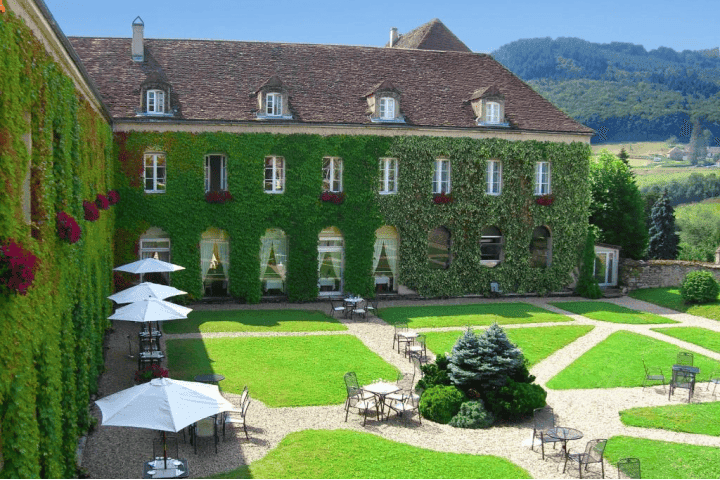
Hôtel Les Ursulines, Eco-Friendly Seminar
Building an Engaging and Responsible Program
Beyond the work in the room, the program transforms a simple off-site meeting into a memorable experience. It alternates between workshop activities, discussions, and moments of pause, never exhausting attention. Making it responsible does not make it austere; on the contrary.
Creating a Balanced Agenda
A good agenda breathes. Work sessions structure the workday but benefit from being punctuated by networking and outdoor breaks. Alternating formats and allowing for more flexible time keeps engagement high from morning until evening, and creates space for spontaneous exchanges.
Balance is also about the duration of the segments. A session that is too long drains attention, while an overly dense sequence leaves no room for ideas to settle. Allowing for breathing moments enables ideas to mature and connections to form. It is often during these informal moments that the richest exchanges between collaborators occur.
Offering activities focused on the transition
Awareness workshops, low-carbon challenges, collaborative murals, or solidarity projects embed your values in a lived experience. By placing teams in front of a common goal, these activities transform an abstract issue into a collective adventure that employees will talk about for a long time.
Recognized speakers known for their commitment provide strong endorsement and inspire with credible stories. A good moderator paces the sessions, stimulates discussions, and weaves a common thread: they ensure that every participant feels engaged from start to finish.
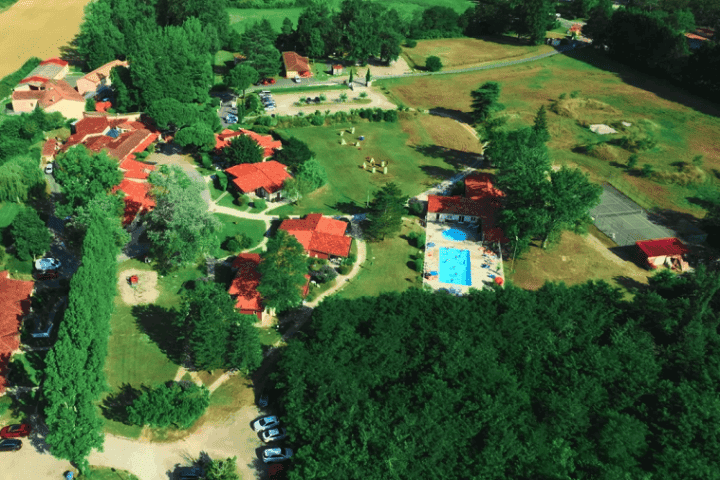
Le Relais Du Moulin Neuf - Green Retreat Seminar Hotel
Optimizing logistics and reducing the carbon footprint
Logistics makes everything else possible. When well orchestrated, it goes unnoticed. It is also the arena where the reduction of the footprint is concretely played out. Every choice, from energy to transportation, aligns the organization with its stated commitments.
How to anticipate technical needs?
Sound system, connectivity, lighting, equipment: identifying these needs early on prevents last-minute energy-intensive solutions. Prioritizing efficient and shared equipment not only reduces costs but also minimizes the environmental footprint, all while ensuring a smooth execution. Energy efficiency thus becomes an additional asset.
A good technical preparation also ensures a smooth event day. A prior equipment test, a backup plan in case of failure, and an identified point of contact help prevent many unforeseen issues. This backstage rigor may not be visible, but it is crucial for the fluidity of the event and allows both speakers and participants to remain focused on what matters most.
Orchestrating low-carbon transfers
Pooling shuttles, consolidating trips, and selecting committed service providers significantly reduces the carbon footprint. Careful planning, with clear schedules and identified meeting points, streamlines the experience and limits emissions without complicating the lives of participants or their logistics.
Facilitating charging encourages electric vehicles. Ensure that the site has a sufficient number of charging stations, or plan for a temporary solution. This consideration removes a genuine barrier to sustainable mobility and sends a message that aligns with your initiative.
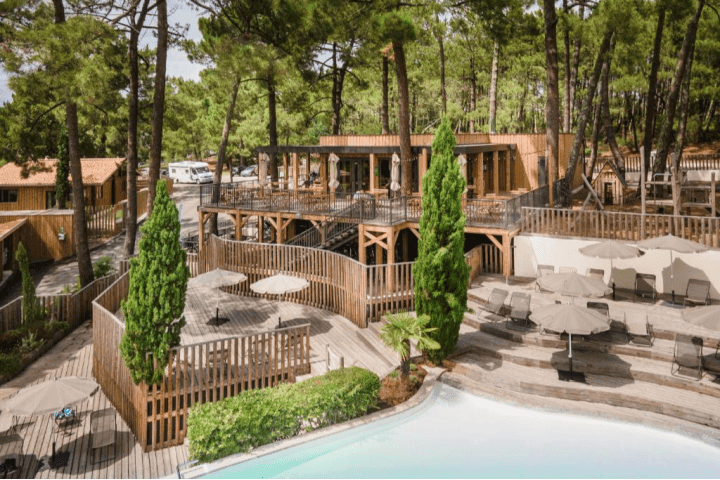
Huttopia Arcachon, Seminar in the Pine Forest
Maximizing Employee Engagement
A seminar is only as valuable as the involvement of those who participate in it. Engagement is nurtured before, during, and after the event. The more employees feel like active participants, the greater and more lasting the benefits for the entire company.
Mobilizing in advance and personalizing the invitations
A personalized invitation that explains the purpose of the seminar generates more enthusiasm than a generic summons. Teasers and surveys about expectations engage participants before the big day. This prior communication is an investment that quickly pays off.
Live polls, anonymous questions, and collaborative walls give everyone a voice and make sessions more engaging. Responsible digital practices prioritize genuinely useful tools without overwhelming participants with screens: technology remains at the service of humanity.
Measuring Impact and Enhancing CSR Commitments
Without evaluation, it is impossible to know if the set targets have been achieved. Measurement transforms a vague impression into a tangible result. Highlighting CSR commitments extends the event well beyond its date and enhances the company's responsible image.
Analyzing the Impact and Satisfaction
The analysis is based on concrete indicators: satisfaction, achievement of targets, ideas generated, and perceived momentum in the following weeks. These insights allow you to build on each edition and gradually refine your approach to organizing your seminars.
Collecting this feedback requires a straightforward method: a short questionnaire sent out shortly after the event, followed by a follow-up survey a few weeks later. Cross-referencing this data with the initial objectives reveals what truly worked. This continuous improvement approach professionalizes your organization and turns each seminar into a stepping stone for the next.
A responsible seminar deserves to be shared. Highlighting the sustainable choices made not only values the effort but also inspires other initiatives. This communication must remain sincere and factual: concrete results, without exaggeration, enhance credibility and make your seminar a tangible proof of your commitments.
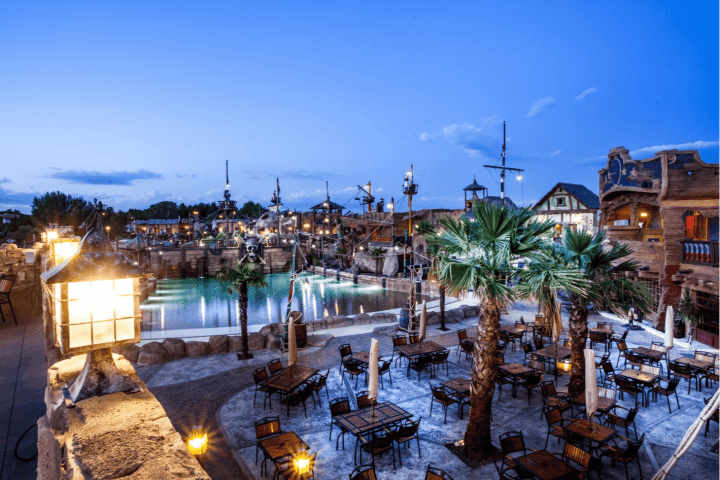
Hôtel Cap Pirate for an Original Seminar
Make your next seminar a success with REJOLT.
Knowing how to organize a corporate seminar and doing it well requires method, foresight, and attention to detail. Clear objectives, controlled budget, inspiring venue, and balanced program form the foundation of an event that sustainably unites your teams.
This is where REJOLT comes in. From site selection to logistical coordination, including catering and entertainment, REJOLT centralizes all the elements of your turnkey corporate event. Instead of juggling dozens of service providers, entrust the orchestration to experts who can transform an ambition into a memorable experience.
Relying on a specialized partner can also save valuable time and secure each step of the process. You maintain control over the direction and content of your seminar while the operational coordination is handled. This ensures an event that meets your ambitions, remains true to your values, and upholds your quality standards.
FAQ: Sustainable Corporate Seminar
How to Organize an Eco-Friendly Corporate Seminar Without Breaking the Bank?
A sustainable seminar is not necessarily more expensive. Choosing a venue accessible by train reduces transportation costs, opting for a caterer using short supply chains minimizes waste, and sharing travel arrangements optimizes expenses. The key is to redirect the budget towards high-impact areas rather than adding costs. Early planning allows for a balance between environmental demands and financial control.
How long does it take to prepare a responsible seminar?
Ideally, allow three to six months for a large-scale seminar. This timeframe enables you to secure a committed venue, select service providers that align with your values, and build a coherent program without haste. Responsible practices require a bit more foresight, allowing time to verify certifications and mobility solutions. For a lighter format, six to eight weeks may suffice.
How to concretely reduce the carbon footprint of a seminar?
Several levers come into play: choosing a venue that is conveniently located and well-connected, prioritizing train travel and carpooling, opting for local and seasonal catering, limiting printed materials, and favoring minimalist equipment. Installing charging stations complements this approach. Ideally, it is important to measure the carbon footprint in advance to identify the most significant sources of emissions and prioritize actions on them.
What type of seminar should I choose based on the size of my company?
The format depends on your objectives and your workforce. A small organization will favor an intense day of team building, while a large group will alternate between plenary sessions and workshops in smaller groups. A management committee focuses on strategy, while a general assembly emphasizes shared culture. The key is to tailor the duration, location, and activities to the number of participants and the message to be conveyed.
Want to live the experience?

Want to live the experience?